“Baha sa Luneta”: Why a flood of anger hit Rizal Park
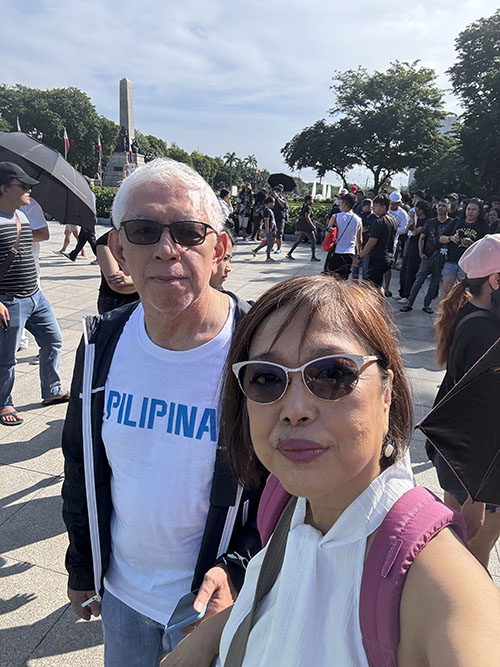
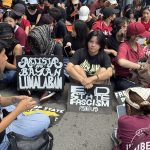
I was there on September 21. My husband and I wanted to be part of history to show our anger towards the corruption and how our taxes are being used to enrich these corrupt officials. We joined the crowd at Rizal Park to express our solidarity with fellow Filipinos who are fed up with the consequences of flawed systems.
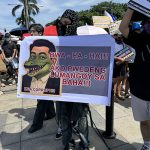
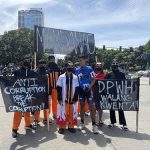
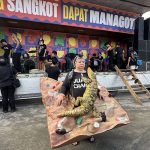
On September 21, 2025, the anniversary of the 1972 martial law declaration, tens of thousands gathered at Rizal Park and across Metro Manila to protest the flood control scandal that has soaked public funds and, in many places, people’s homes. Crowd estimates varied, with city officials putting Luneta at about 49,000 and others reporting higher, but the message was consistent: stop stealing, start fixing. Protesters chose the date to connect today’s scandal with a long record of impunity under martial law and beyond.
What sparked the protest?
Investigations point to deep rot in flood control projects. There were alleged ghost works, substandard construction to fund kickbacks, and a tight circle of contractors taking outsized shares. Two former engineers told the Senate Blue Ribbon Committee that some projects were priced to accommodate 20 to 25 percent cuts, while others were reported complete with little to show on the ground.
READ: The anatomy of plunder: What the Philippines’ flood control scandal reveals
President Ferdinand Marcos Jr. had already flagged anomalies in thousands of projects worth more than ?545 billion in his State of the Nation Address (SONA) and formed an Independent Commission for Infrastructure (ICI) to probe them. He also voiced sympathy with public anger: “If I wasn’t President, I might be out in the streets with them… Of course, they are enraged… I’m angry. We should all be angry. Because what’s happening is not right.”
Authorities moved to freeze assets linked to the alleged scheme, starting with 135 bank accounts and 27 insurance policies. A leadership change at the Department of Public Works and Highways (DPWH) brought in Vince Dizon, who pushed courtesy resignations and lifetime blacklisting for erring contractors.
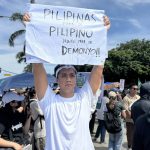
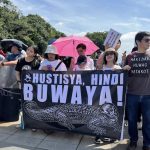
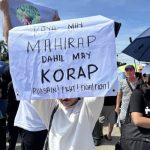
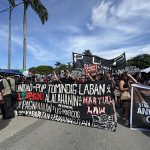
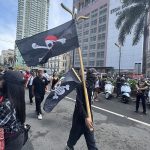
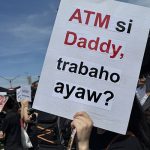
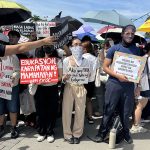
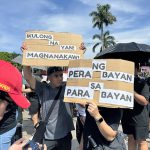
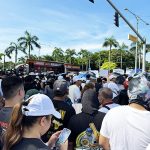
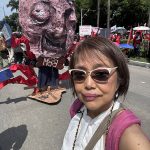
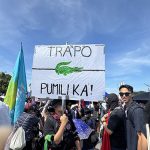
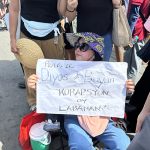
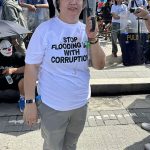
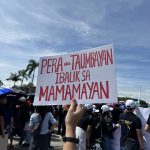
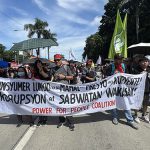
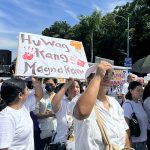
On the ground and online
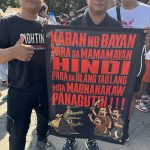
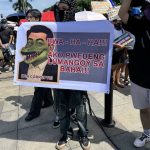
The main Luneta program was peaceful and broad-based. Students, faith leaders, civic groups, and drag artists took the stage. Later, clashes near Mendiola and the presidential palace led to arrests and injuries, showing how frustration has hardened after years of failed infrastructure promises.
Online, young Filipinos turned social feeds into a running audit. “Lifestyle policing” contrasted luxury posts of families tied to alleged players with videos of flooded homes. It is messy, but it creates pressure when formal processes move slowly.
Why business should care
For employers, schools, hospitals, logistics firms, and local government units (LGUs), floods hit profit and loss. They mean lost workdays, damaged inventory, higher insurance, and disrupted supply chains. Corruption in resilience projects is not only unethical. It acts like a tax on growth. Three practical implications:
1.Expect tighter procurement
Freeze orders, Senate Blue Ribbon hearings, and DPWH reforms signal stricter controls and blacklisting. Budget owners and contractors should prepare for deeper due diligence, more documentation, and tougher audits. Build compliance capacity now.
2. Strengthen resilience while reforms unfold
Reforms take time. Update flood maps, relocate critical assets, and review business continuity plans. If your operations sit in known catchments, treat 2025 to 2026 as a window to harden facilities and data backups.
3. Watch the project pipeline
If the ICI and DPWH cleanup proceeds, some projects will stall and others will be rebid. Vendors with clean records may find openings, but margins will face scrutiny. Prepare transparent pricing models and quality guarantees.
What real accountability looks like
- Follow the money. Preserve evidence, expand freeze orders when warranted, and prosecute beyond fall guys.
- Fix incentives. Cap change orders, publish unit cost references, and require third party quality tests before acceptance and payment.
- Open the data. Release project lists, contractors, costs, and status dashboards the public can audit, ideally down to the barangay.
- Protect whistleblowers. Insiders already testified in the Senate. Others will only come forward if they are safe.
Bottom line
The Baha sa Luneta protest was more than catharsis. It was a clear demand for accountability and a rejection of the long habit of impunity. What began in Luneta brought together street action and a sharp online movement, turning social feeds into public oversight when institutions felt slow or selective.
Momentum is here, but change will not come from flashes of indignation. It requires structural fixes, credible investigations that reach decision makers, and the political will to charge the most responsible, not just convenient scapegoats. It also requires working flood defenses in place before the next storm season.
This struggle does not end in Luneta or at the EDSA People Power Monument. Protests must be sustained. Keep showing up, tracking projects, attending budget hearings, filing complaints, and supporting whistleblowers and watchdog groups. Without steady pressure and concrete action, anger risks fading into cynicism or hardening into unrest. To restore trust, the state must show it is more afraid of failing its citizens than of the networks that profit from public funds.
Videos: Blog Watch interview with VP candidate Leni Robredo

What is all this ado about bloggers at #ASEAN2017?
7 reasons why Duterte critics still fail to make a dent (Part 2 of 2)
About The Author

Noemi Lardizabal-Dado
Noemi Lardizabal-Dado is a content strategist with over 19 years of experience in blogging, content management, citizen advocacy, and media literacy, and over 30 years in web development. Otherwise known as @MomBlogger on social media, she believes in making a difference in the lives of her children by advocating for social change that benefits the greater good. She is a co-founder and a member of the editorial board of Blog Watch . She is a resource speaker on media literacy, social media, blogging, digital citizenship, good governance, transparency, parenting, women’s rights, wellness, and cyber safety. Her personal blogs such as aboutmyrecovery.com (parenting) , pinoyfoodblog.com (recipes), techiegadgets.com (gadgets) and benguetarabica.coffee keep her busy outside of Blog Watch. Disclosure: I am an advocate. I am NOT neutral. I will NOT give social media mileage to members of political clans, epal, a previous candidate for the same position and those I believe are a waste of taxpayers' money. I do not support or belong to any political party. I was part of accredited media covering the Office of the Vice President and Leni Robredo as she ran as a presidential aspirant in the 2022 National and local elections. On August 5, 2021, YouTube announced that I was selected as one of 50 Program participants of its Creator Program for Independent Journalists She was a Senior Consultant for ALL media engagements for the PCOO-led Committee on Media Affairs & Strategic Communications (CMASC) under the ASEAN 2017 National Organizing Council from January 4 -July 5, 2017. Having been an ASEAN advocate since 2011, she has written extensively about the benefits of the ASEAN community and as a region of opportunities on Blog Watch and aboutmyrecovery.com. Organization affiliation includes Consortium on Democracy and Disinformation Updated June 6, 2022