Day 2 of Sara Duterte’s impeachment trial: the video is now on record
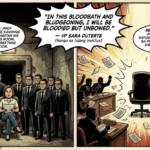
“In this bloodbath and bludgeoning, I will be bloodied but unbowed.”
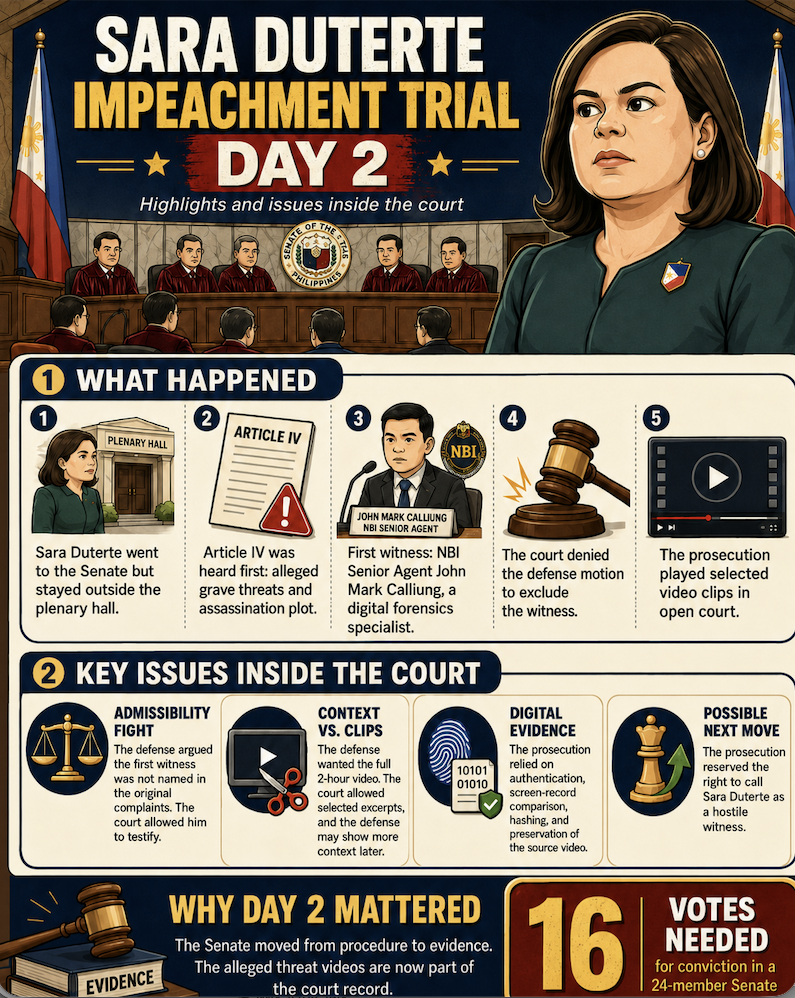
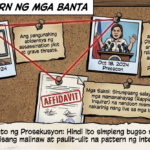
Vice President Sara Duterte said that at the Senate on Tuesday before meeting her legal team. Then she left. She did not sit inside the plenary hall while the Senate, acting as an impeachment court, took up the first charge being heard against her. Duterte was represented by counsel as the court moved into Article IV, the charge involving alleged threats against President Ferdinand Marcos Jr., First Lady Liza Araneta-Marcos, and former House Speaker Martin Romualdez.
That was the image of Day 2: the respondent stood just outside the chamber, present in every practical sense except in the room where the case against her was being heard.
The impeachment court, meanwhile, did not wait for the drama outside the chamber. It began with the evidence the prosecution wanted to put on record.
What the court heard first
Article IV came first. It covers the alleged assassination plot, grave threats, and inciting to sedition. The prosecution had set aside 11 of its 62 trial dates for this article before moving to the confidential funds, bribery and corruption, and unexplained wealth charges.
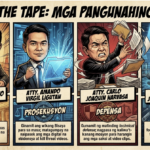
First up for the prosecution was NBI Senior Agent John Mark Calilung, a digital forensics specialist from the Cybercrime Division. The defense objected before he’d even started, saying his name never showed up in the original complaints or the Articles of Impeachment, so he shouldn’t be allowed to testify at all.
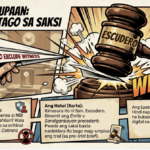
Escudero didn’t buy it. He denied the motion and pointed to Enrile v. Sandiganbayan to explain why: at the pre-trial stage, prosecutors only need to give a summary of their evidence, not a full listing. So the fact that Calilung wasn’t named earlier didn’t disqualify him.
It was a small ruling on paper, but it set the tone for everything after. Objections on technical grounds, alone, weren’t going to be enough to keep evidence out of the record. The court would hear it and weigh relevance as it went.
The fight over the clips
Nobody disputed that the statements existed. The fight was over how much of the recording the court should see.
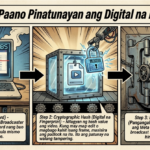
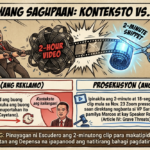
The prosecution wanted to show selected portions of Duterte’s public statements. The defense objected, saying clips without the full video could remove context. Senator Alan Peter Cayetano also pushed for the full two-hour recording to be shown. Escudero allowed the prosecution to present relevant portions, with the defense free to present other portions later. Calilung testified on the use of Open Broadcaster Software to compare the recorded file with the original livestream and verify the material.
One clip came from October 2024, where Duterte was shown saying she wanted to behead Marcos. Another came from a November 2024 press conference, where she said she had instructed an assassin to kill Marcos, the First Lady, and Romualdez if anything happened to her.
These are still allegations being tested in trial. But once the clips were played in open court, the fight changed. The prosecution no longer had to describe the statements from outside the record. The senators heard the words through the evidence being presented.
Why digital evidence matters here
For citizens watching from home, the technical terms may sound distant: authentication, hashing, screen recording, chain of custody. But this is where the trial becomes very practical.
When politics moves through livestreams, Facebook posts, TikTok edits, Zoom briefings, and viral clips, courts must ask basic questions:
- Is the recording authentic?
- Was it altered?
- Who captured it?
- Was the full source preserved?
- Can the other side show the missing context?
These are the guardrails between evidence and propaganda, not procedural footnotes.
The prosecution wants the videos treated as reliable proof of intent. The defense wants the court to see the full setting, tone, and surrounding statements. The senator-judges now have to decide how much context is needed before a public threat becomes an impeachable act.
The Vice President may still be called
Another point surfaced on Day 2: the prosecution wants to reserve its right to call Duterte herself as a hostile witness on Article IV.
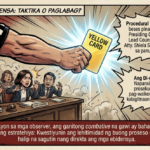
Prosecutor Lorna Kapunan manifested the prosecution’s intent to have Duterte appear as a hostile witness. Escudero noted that the impeachment rules do not require the respondent to be present during the hearings, but said the court would rule if a formal request is made. Cayetano said the respondent cannot be forced to take the witness stand, and suggested memoranda if the prosecution insists.
That question remains open. It cuts to the heart of the trial: how far can the impeachment court go in compelling testimony from the very official it is judging?
The numbers behind the courtroom
The constitutional math is simple, but the politics is not.
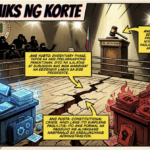
The 1987 Constitution says the Senate has the sole power to try and decide impeachment cases, and no person may be convicted without the concurrence of two-thirds of all Senate members. In a 24-member Senate, that means 16 votes.
That threshold now sits beside another complication: detained senators. Senator Rodante Marcoleta was arrested on a plunder charge before the trial began, while Senator Jinggoy Estrada had earlier been detained on plunder charges and suspended from performing his duties. Cayetano had proposed asking the Sandiganbayan to allow Estrada and Marcoleta to attend the trial, but the court had yet to act on it as of Day 2.
So the evidence is only one part of the trial. Attendance, detention, voting thresholds, and public legitimacy are also in play.
What citizens should watch next
We do not need to be lawyers to follow this trial carefully. We need discipline.
Here is what to watch:
- When a clip is shown, check whether the full source is available and whether the defense gets a fair chance to present context.
- A lawyer’s objection is worth weighing on its own terms: does it protect due process, or just delay the record?
- When a senator-judge jumps in, notice whether the question clarifies evidence or plays to a political base.
- When a viral video spreads, check whether the audio and original footage actually match.
- If someone claims “victory” online after a procedural ruling, ask what actually changed in the court record.
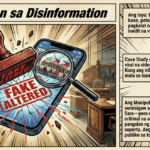
That distinction matters more than the clip itself. An altered video made it appear that OFWs in Hong Kong were chanting “Impeach Sara.” The audio had been taken from a separate protest in the Philippines and overlaid on the Hong Kong clip.
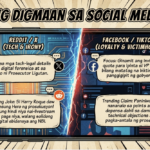
The trial is happening in the Senate, but the interpretation war is happening on our feeds.
Public opinion is not the verdict
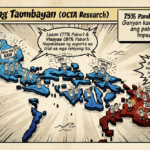
A recent OCTA survey found that 74 percent of adult Filipinos supported allowing the Senate impeachment trial to proceed, while support was lowest in Mindanao at 58 percent. That does not decide guilt. It shows that many Filipinos want the process heard in public, not settled behind closed doors.
The country has moved from slogans to sworn testimony, from press statements to a court record it can actually check.
Escudero has not yet ruled on whether the court can call Duterte to the stand. She left the hearing room before the clips played, represented by lawyers who can raise objections but cannot testify in her place. If the prosecution’s videos are strong enough to move a two-thirds vote, is Duterte willing to answer for them herself, in the room, under oath?
Check this out:


Day 22 Sara Duterte impeachment trial: When the confidential-fund names met the PSA

Day 13 of the Sara Duterte impeachment trial: 849 acknowledgment receipts, no official receipts

Day 28: GenCorp Contracts and the Questions Around Sara Duterte’s Business Interests
About The Author

Noemi Lardizabal-Dado
Noemi Lardizabal-Dado is a content strategist with over 19 years of experience in blogging, content management, citizen advocacy, and media literacy, and over 30 years in web development. Otherwise known as @MomBlogger on social media, she believes in making a difference in the lives of her children by advocating for social change that benefits the greater good. She is a co-founder and a member of the editorial board of Blog Watch . She is a resource speaker on media literacy, social media, blogging, digital citizenship, good governance, transparency, parenting, women’s rights, wellness, and cyber safety. Her personal blogs such as aboutmyrecovery.com (parenting) , pinoyfoodblog.com (recipes), techiegadgets.com (gadgets) and benguetarabica.coffee keep her busy outside of Blog Watch. Disclosure: I am an advocate. I am NOT neutral. I will NOT give social media mileage to members of political clans, epal, a previous candidate for the same position and those I believe are a waste of taxpayers' money. I do not support or belong to any political party. I was part of accredited media covering the Office of the Vice President and Leni Robredo as she ran as a presidential aspirant in the 2022 National and local elections. On August 5, 2021, YouTube announced that I was selected as one of 50 Program participants of its Creator Program for Independent Journalists She was a Senior Consultant for ALL media engagements for the PCOO-led Committee on Media Affairs & Strategic Communications (CMASC) under the ASEAN 2017 National Organizing Council from January 4 -July 5, 2017. Having been an ASEAN advocate since 2011, she has written extensively about the benefits of the ASEAN community and as a region of opportunities on Blog Watch and aboutmyrecovery.com. Organization affiliation includes Consortium on Democracy and Disinformation Updated June 6, 2022